






Product Description
IEC 60034-30-1 Motor Efficiency Standard
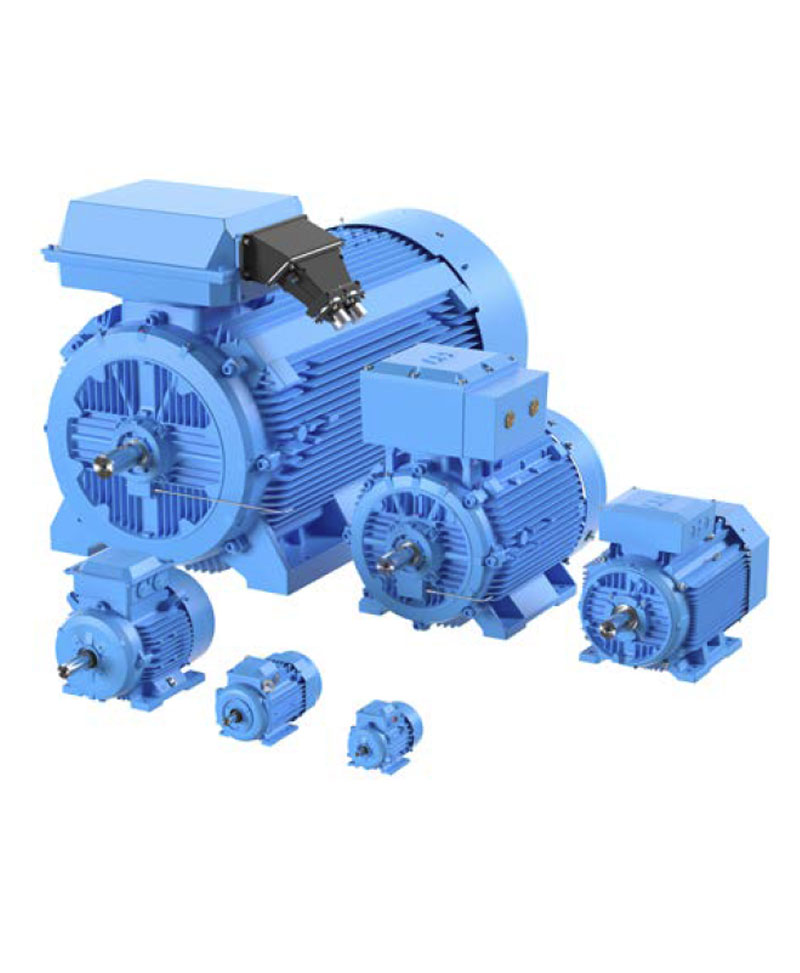
IEC 60034-30-1 establishes internationally harmonised energy-efficiency classes for line-operated AC electric motors. Therefore, manufacturers, consultants and industrial users can compare motors using a consistent IE-code system.
The original IEC 60034-30 standard was published in 2008. Afterwards, IEC 60034-30-1:2014 significantly expanded its scope by including 8-pole motors and introducing the IE4 efficiency performance class.
However, IEC published a new second edition on 1 December 2025. Consequently, current technical specifications should reference IEC 60034-30-1:2025 rather than relying only on the 2014 edition.
What Does IEC 60034-30-1 Cover?
The current standard applies to single-speed electric motors rated according to IEC 60034-1 or IEC 60079-0. Moreover, these motors must operate from a sinusoidal 50 Hz or 60 Hz supply.
The principal scope includes motors that:
- Have rated power from 0.12 to 1,000 kW
- Have rated voltage from 50 to 1,000 V
- Have 2, 4, 6 or 8 poles
- Can operate continuously at rated power
- Are rated for ambient temperatures from -30°C to +60°C
- Are marked for altitudes up to 4,000 metres
- Operate from a sinusoidal line supply
- Meet applicable insulation-temperature-rise requirements
Therefore, the standard covers a broad selection of industrial motors used for pumps, fans, compressors, conveyors and general machinery.
Global IE Efficiency Classification
IEC 60034-30-1 establishes nominal motor-efficiency values according to:
- Rated motor output power
- Supply frequency
- Number of motor poles
- Applicable IE efficiency class
Consequently, buyers can compare motors from different manufacturers using a common classification system.
Moreover, the standard does not distinguish between motor technologies or supply voltages when establishing efficiency classes. As a result, different motor technologies can be compared according to their energy-efficiency potential.
However, not every motor technology or configuration can achieve every available efficiency class. Therefore, engineers must verify the rated efficiency shown on the motor nameplate and technical documentation.
Why Motor Efficiency Classes Matter
Electric motors often operate for thousands of hours each year. Consequently, small efficiency improvements can produce meaningful energy savings over the motor’s operating life.
For example, a higher-efficiency motor converts a greater proportion of electrical input into useful mechanical output. Therefore, it produces lower electrical losses for the same driven load.
In addition, reduced motor losses may result in:
- Lower electricity consumption
- Reduced operating costs
- Lower internal heat generation
- Improved energy-performance reporting
- Reduced carbon emissions
- Better lifecycle value
- Easier compliance with efficiency regulations
However, the highest efficiency class is not automatically the best selection for every installation. Therefore, users should also consider motor load, operating hours, starting method, variable-speed requirements and purchase cost.
IEC 60034-30-1 and Motor Testing
IEC 60034-30-1 defines the efficiency classes and nominal efficiency values. Meanwhile, IEC 60034-2-1 defines standard test methods for determining motor losses and efficiency.
Consequently, the two standards perform different but related functions. IEC 60034-30-1 provides the classification, whereas IEC 60034-2-1 provides the testing methodology.
The current IEC 60034-2-1:2024 applies to synchronous and induction motors rated for mains operation. Therefore, verified efficiency claims should use the appropriate IEC testing method.
Line-Operated and Converter-Fed Motors
IEC 60034-30-1 primarily addresses motors rated for operation from a sinusoidal line supply.
Alternatively, motors designed specifically for variable-voltage and variable-frequency operation may fall under other IEC documents. For example, IEC TS 60034-30-2 addresses variable-speed AC motors not covered by IEC 60034-30-1.
Moreover, IEC 60034-2-3 provides test methods for determining losses and efficiency in converter-fed AC motors. Therefore, engineers should not automatically apply line-operated efficiency classifications to every motor-and-drive system.
Industrial Applications in the UAE
IEC-classified motors are commonly used for:
- Water-supply pumps
- Wastewater-treatment equipment
- District-cooling pumps
- Industrial fans and blowers
- Air compressors
- Conveyor systems
- Mixers and agitators
- HVAC equipment
- Oil and gas machinery
- Manufacturing equipment
- Mining and quarry operations
- General process machinery
For example, a continuously operated pump may benefit considerably from a higher-efficiency motor. Similarly, a fan or compressor operating for long daily hours may produce substantial lifecycle savings.
Selecting an IEC-Compliant Motor
Correct motor selection should consider:
- Required output power
- IE efficiency class
- Supply voltage and frequency
- Number of poles
- Operating duty
- Starting method
- Variable-speed operation
- Ambient temperature
- Installation altitude
- Protection and insulation classes
Therefore, users should compare the complete motor specification rather than selecting by efficiency class alone.
Why IEC 60034-30-1 Is Important
IEC 60034-30-1 provides a consistent international basis for comparing motor efficiency. Moreover, it supports manufacturers, regulators and industrial users in improving energy performance.
Therefore, the standard helps UAE facilities select efficient motors, reduce operating costs and make technically informed purchasing decisions.
Request IEC-Compliant Motors in the UAE
Contact our motor specialists for IEC-compliant motor selection, technical specifications and UAE pricing.
Please provide the required power, speed, voltage, frequency, duty, efficiency class and driven equipment. Consequently, our team can recommend a suitable energy-efficient industrial motor.